For the first sore fortnight.
Spreads without dragging.A 50g tube of plant-based butter, soft enough to go on skin that already hurts without you having to press. It stays where you put it, and it doesn't need wiping off before the next feed.
Retail ₹799 · Pre-book ₹479, 40% off · The founding price, held until we ship

It protects skin while it heals, that's the whole job
In the first fortnight of feeding, nipple skin takes more friction and moisture than it has ever had to deal with, and it cracks. A butter does two straightforward things: it puts a soft barrier over skin that's raw, and it keeps the area from drying out and re-cracking between feeds. Healing moist rather than scabbed is generally more comfortable and less prone to re-opening.
It is worth being clear about what that isn't. Butter doesn't fix the cause. If feeding hurts every single time, the usual culprit is the latch (how much of the areola your baby takes, and at what angle), and no cream fixes a latch. What butter does is make the days bearable while you and someone who knows what they're looking at sort the latch out.
We've made it plant-based rather than lanolin. Lanolin works well and is the traditional choice, but it comes from sheep's wool, which rules it out for some people, and a small number react to it. A shea and coconut base does the same job without either problem.
- A barrier over skin that's raw between feeds
- Stays soft at room temperature, so you don't have to rub it in
- Nothing to wipe, so a hungry baby doesn't have to wait
- No lanolin, so it suits vegans and anyone sensitive to it
The details that matter
- Soft straight out of the tube: the common complaint about nipple balms is that they're stiff, so you end up warming them between your fingers and then pressing them onto the exact skin that hurts. Ours flows at room temperature.
- A tube, not an open pot: nothing goes back in. Dipping a finger into a pot again and again, on skin that is already cracked, puts whatever is on your hands back into the product. A tube gives you only what you squeeze out, and the flip cap opens one-handed while you're holding a baby.
- Five ingredients, all on the front: not a paragraph of INCI names in six-point type on the crimp.
- Unscented: newborns feed by smell, and this is going right where they're rooting. Nothing added for the adult's benefit.

Five ingredients, and what each is doing
| Shea butter | The base. Soft at room temperature, forms the protective layer. |
|---|---|
| Coconut oil | Helps it spread thinly without dragging on sore skin. |
| Sunflower wax | Holds the butter together so it stays put between feeds. |
| Calendula extract | Traditionally used on irritated skin. Gentle, and long-standing in this category. |
| Vitamin E | Keeps the oils from going rancid. It's there for the product, not a claim. |
| Not in it | No lanolin, no fragrance, no parabens, no petrolatum. |
| Size & price | 50g tube · Retail ₹799 · Pre-book ₹479 |
Three steps, after each feed
- Feed first. Butter goes on afterwards, not before.
- Take a little on a clean fingertip and lay it over the nipple and areola. Don't rub it in, a thin layer sitting on top is the point.
- Leave it. There's no need to wash it off before the next feed.
If you're also using breast pads, change them often, trapped damp is what turns sore skin into cracked skin.
What this can't do
It soothes and protects skin. It doesn't fix a latch, it doesn't treat thrush, and it doesn't treat mastitis. Persistent pain through every feed is a sign to get the latch looked at by a lactation consultant or your health visitor. More butter won't fix a latch.
Please see a doctor if a nipple is deeply cracked or bleeding, if you have shooting pain during or after feeds or a shiny pink itch that could be thrush, or if part of your breast is hard, red and hot and you feel feverish. That combination can be mastitis and it needs treating.

Questions people ask before buying
Do I really not need to wipe it off?
Why no lanolin?
When should I start using it?
Feeding still hurts. Is something wrong with the butter?
Can I use it anywhere else?
What people are asking about the butter
The rest of the range
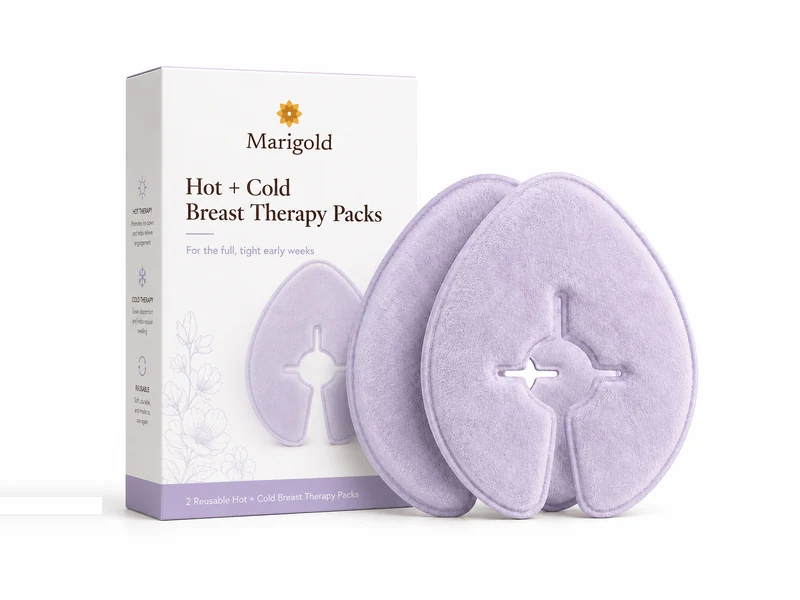 Breastfeeding
Breast Therapy Packs
Warm before, cold afterCurved gel packs for let-down and for engorgement.
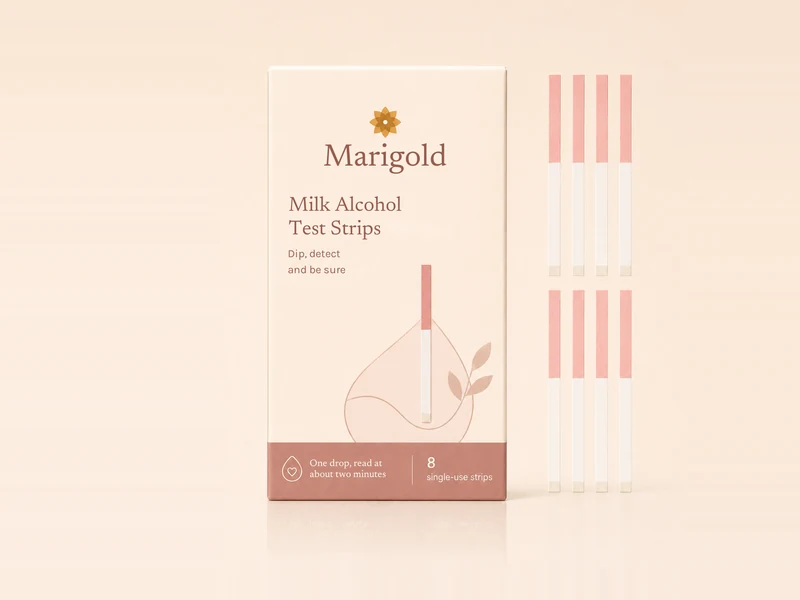 Breastfeeding
Milk Alcohol Test Strips
One less thing to wonder aboutA drop of milk, a reading in two minutes.
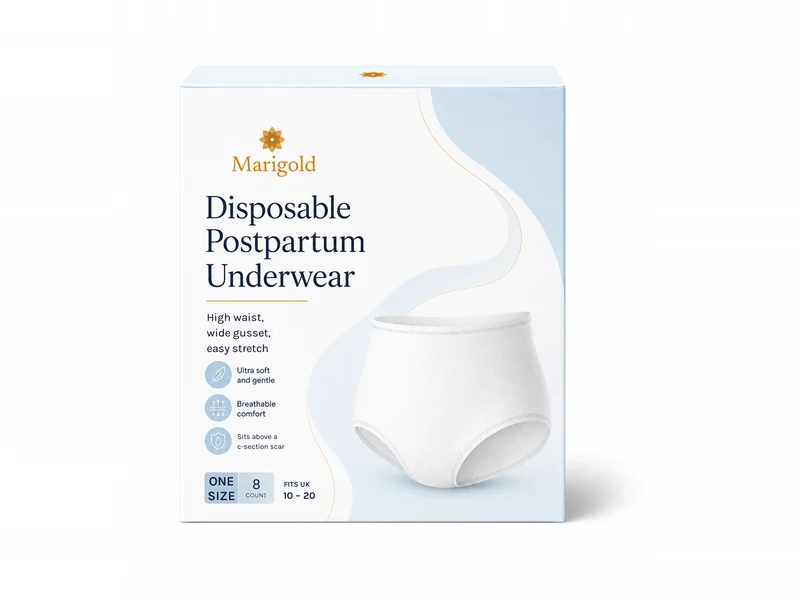 Postpartum
Postpartum Underwear
The first two weeks, handledHigh-waisted disposables, eight to a box.
Reserve yours at ₹479
The founding price, 40% off the ₹799 retail price. Leave your details and we'll write to you when it ships.
Not sure this fits where you are? Two minutes, a short list for your stage →